Concrete Resurfacing Newcastle
Concrete Resurfacing in Newcastle & the Hunter
Is resurfacing actually right for my concrete?
Concrete resurfacing means preparing an existing concrete surface and applying an appropriate resurfacing or coating system over concrete that's still usable. The slab stays. The surface you see, walk on and park on is renewed.
Different contractors and systems use different methods and products, so treat what follows as a plain explanation of the general approach rather than a fixed recipe.
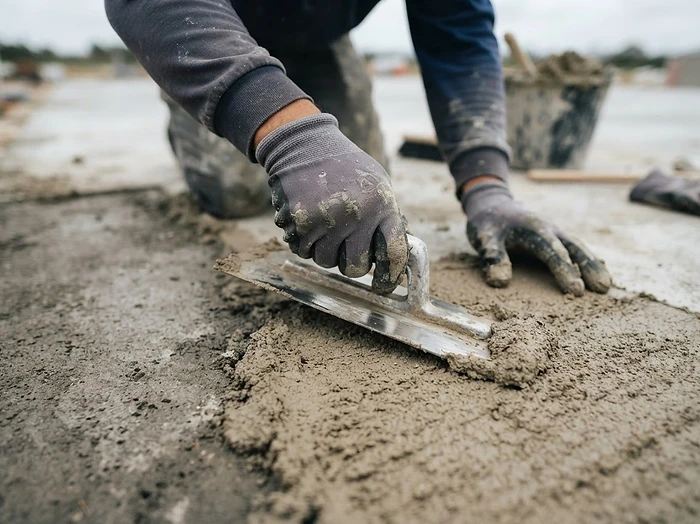
The work involved
What resurfacing typically involves
Not every job includes every stage. The order of thinking is consistent even when the products differ.
- 01
Cleaning
Removing dirt, grit, oil and organic growth so nothing sits between the old concrete and the new surface.
- 02
Grinding where appropriate
Opening up a sealed, painted or contaminated surface so the new system can bond.
- 03
Crack and surface repair
Treating suitable cracks and surface defects — after assessing whether movement is involved.
- 04
Bonding and base preparation
Preparing or priming the surface as the chosen system requires.
- 05
Overlay or resurfacing system
Sprayed or trowel-applied, depending on the area, the correction needed and the finish.
- 06
Texture, colour and finish
Chosen for how the area is used, not only how it photographs.
- 07
Sealing
Protecting the finish and setting its sheen and slip characteristics.
Suitability
When resurfacing makes sense — and when it doesn't
When resurfacing makes sense
- Sound slab with a tired, faded or stained surface
- Dated finishes you'd rather not live with
- Worn or rough surface texture
- Stable minor cracking, once assessed
- Old coatings that can be properly removed
- Smooth outdoor areas that need grip
When replacement may make more sense
- The slab has moved, dropped or lifted
- Wide or actively moving cracks
- Concrete that is crumbling or breaking apart
- Sections sitting at noticeably different heights
- Drainage or moisture problems that haven't been resolved
Resurfacing does not fix structural failure. Significant slab movement, serious structural cracking, major subsidence or badly failed concrete may require repair or replacement instead.

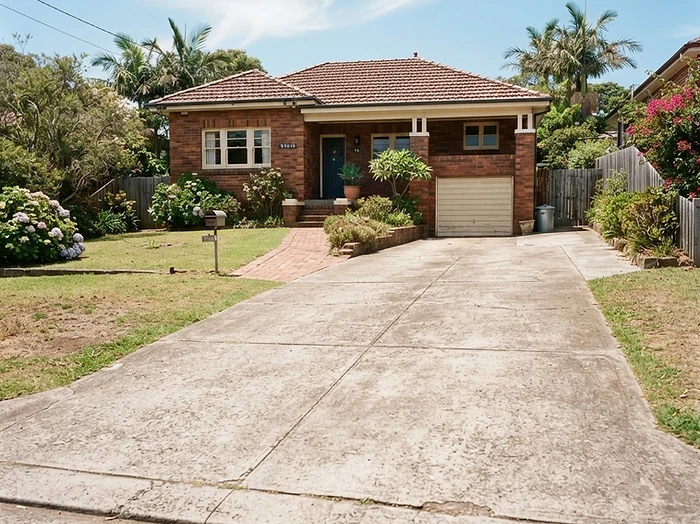
Cracks
What happens to cracks?
It depends entirely on the crack. A stable, narrow surface crack with edges sitting level can usually be cleaned out, filled and prepared so the new surface goes over it.
A crack that reflects ongoing movement is a different situation. The movement continues after the new surface goes down, and cracking can reappear along the same line. That isn't a product failure — it's the slab telling you something.
Crack condition, movement and the underlying slab all need assessment before anyone can tell you what's realistic. Be wary of anybody who promises cracks will simply disappear permanently.
Surface preparation
Preparation decides the quality of the finished result.
This is the part of the job you'll never see once it's finished, and it's the part that determines whether the surface still looks right in five years.
Preparation creates the bond. Cleaning removes contaminants. Grinding removes failing coatings and opens up a surface that's too smooth or too sealed for anything to grip. Repairs deal with defects that would otherwise telegraph through the finish.
A quote that says nothing about preparation is not a cheaper quote — it's an incomplete one. Ask what preparation is included, and what happens if more damage is found once the old surface comes off.
Finish options
Colour, texture and decorative finishes
Available finishes vary between contractors and systems, so not every option below suits every job or every operator.
Colour
From tired grey to sandstone, basalt, charcoal or warmer earth tones. Always view the colour outdoors at scale.
Texture
Fine and lightly grained through to more heavily textured finishes for grip.
Borders & patterns
Feature bands, borders and stencilled looks that suggest pavers, tiles or slate, where offered.
Slip resistance
Textured finishes and non-slip additives for pool areas, wet paths, ramps and steep driveways.
How it works
A simple, unhurried process
Not every job follows an identical technical system — the products and stages vary. The order of thinking doesn't.
- 01
Tell us about the concrete
Area, suburb, condition and optional photos.
- 02
Assess the existing surface
Whether resurfacing appears suitable, and what preparation may be required.
- 03
Quote the work
Scope that accounts for preparation, repairs and the finish — not just square metres.
- 04
Prepare the slab
Cleaning, removal of unsuitable coatings and mechanical preparation where required.
- 05
Resurface and finish
Application depends on the chosen system and the surface it's going over.
- 06
Return the area to use
Follow the specific curing and maintenance instructions provided for your system.
Questions
Concrete resurfacing questions
Find out what can be saved.
Send a few details and photos of your concrete. We'll tell you what looks restorable, what needs repair and when replacement genuinely makes more sense.
Call Now